Winning tenders isn’t just about offering the best service or the lowest price. In many cases, it comes down to how clearly and professionally your business presents itself – and a well-prepared capability statement can make all the difference.
For many organisations, especially in industries like construction, engineering, and professional services, a capability statement is often the first impression. If it lacks clarity, structure, or credibility, it can limit your chances before your proposal is even fully considered.
This article outlines what a capability statement is, why it matters, and how to structure one that strengthens your position when competing for tenders.
What Is a Capability Statement?
A capability statement is a concise document that outlines your business’s expertise, experience, and capacity to deliver services. It is designed to quickly communicate who you are, what you do, and why your business is qualified.
Unlike a brochure or general marketing material, a capability statement is more focused and purposeful. It is typically used in tender submissions, supplier registrations, and procurement processes where decision-makers need to assess your suitability efficiently.
A strong capability statement should answer key questions such as: What services do you provide? What experience supports your claims? What makes your business different? Can you deliver at the required scale?
Why Capability Statements Matter in Tendering
In a competitive tender environment, evaluators often review multiple submissions in a limited timeframe. Your capability statement helps them quickly determine whether your business meets the basic requirements before moving into detailed assessment.
A well-structured document can:
- Improve credibility and professionalism
- Make your business easier to assess
- Highlight relevant experience clearly
- Reinforce your suitability for specific projects
On the other hand, a poorly presented or generic document can create doubt – even if your business is perfectly capable of delivering the work.
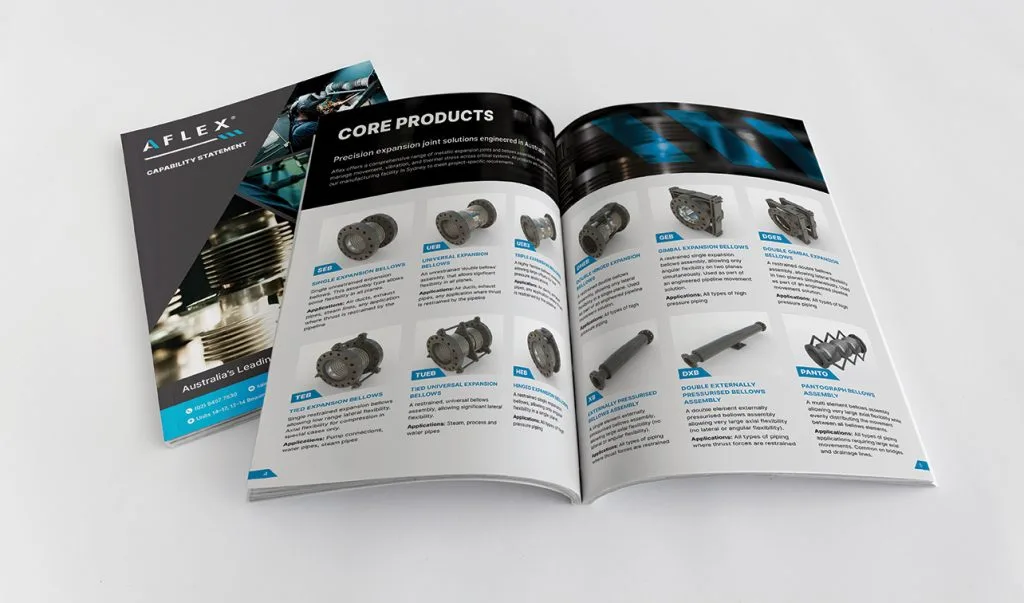
A professionally designed capability statement – clear, structured, and on-brand.
Common Mistakes That Cost You Opportunities
Many businesses underestimate the importance of their capability statement or treat it as a one-time document that never gets updated. This often leads to missed opportunities.
Too Much Generic Information
Statements that try to appeal to everyone often fail to connect with anyone. A lack of specificity weakens your positioning.
Unclear Structure
If key information is hard to find, evaluators may not spend the time trying to locate it.
Overly Wordy Content
Long paragraphs and excessive detail can reduce clarity and make your document harder to scan.
No Proof of Experience
Claims without examples, case studies, or supporting detail can appear unsubstantiated.
Outdated Information
Old projects, incorrect team details, or irrelevant services can undermine your credibility at a glance.
Poor Visual Presentation
Even strong content loses impact when the layout is cluttered, inconsistent, or unbranded.
Key Elements of a Strong Capability Statement
To be effective, your capability statement needs to be clear, structured, and aligned with how tenders are evaluated. Here are the six essentials:
- Clear Overview of Your Business Start with a concise introduction that outlines who you are and what you do. Avoid broad or vague statements – focus on clarity and relevance to the projects you’re targeting.
- Defined Service Offering List your services in a structured way so they are easy to scan. Group related services together and ensure they reflect what you actually deliver – aligned with the types of tenders you’re applying for.
- Relevant Experience Include examples of past projects that demonstrate your capability – similar in scope, industry, or complexity. Where possible, include project type, scope of work, and measurable outcomes.
- Key Differentiators Clearly explain what sets your business apart – specialised expertise, certifications, unique processes, or a proven track record. Back every claim with evidence.
- Company Details & Credentials Provide your ABN, licences, certifications, insurance coverage, and safety or compliance standards. This information builds trust and demonstrates readiness to engage.
- Professional Presentation A well-designed document improves readability and reinforces credibility. Use consistent branding, clear headings, and avoid clutter. Design should support the content – not distract from it.
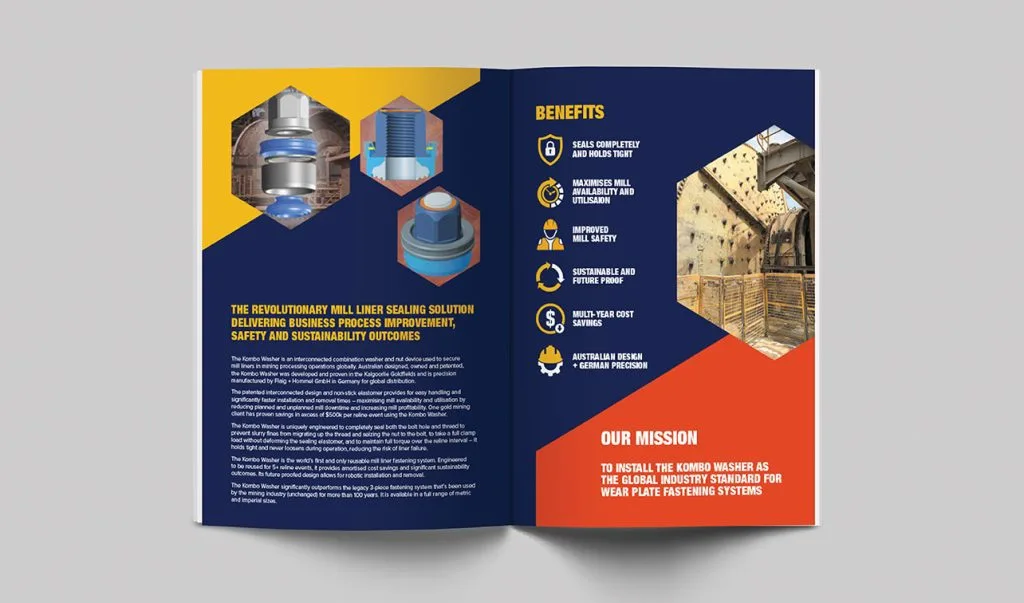
Another example of a capability statement designed for clarity and impact.
Tailoring Your Capability Statement for Each Tender
One of the most effective ways to improve your success rate is to tailor your capability statement to each opportunity. This doesn’t mean rewriting the entire document each time – it means:
- Highlighting the most relevant services for that specific project
- Prioritising similar project experience at the top
- Adjusting your messaging to align with the tender’s language and requirements
A tailored document demonstrates that you understand the project and have the relevant experience to deliver – which is exactly what evaluators want to see.
How Design Impacts Perception
In tendering, perception plays a significant role. A professionally designed capability statement signals that your business is organised, credible, and detail-oriented. Poor design, inconsistent formatting, or cluttered layouts create the opposite impression – regardless of your actual capability.
Design should support the content by making it easier to read and understand. This includes a clear visual hierarchy, consistent fonts and spacing, and strategic use of visuals where relevant.
Keeping Your Capability Statement Current
Your capability statement should be treated as a working document. As your business grows, your experience, services, and team will evolve – and your document needs to keep pace.
Regular updates ensure that new projects are included, outdated information is removed, services reflect your current offering, and messaging stays relevant to your target market. A current document allows you to respond to opportunities quickly without starting from scratch.
Need Help Creating a Capability Statement That Wins Work?
If your current document isn’t delivering results – or you don’t have one in place – we can help. We work with businesses across Perth and Australia to develop capability statements that are clear, professionally designed, and aligned with tender requirements.
Contact Us Today